Thursday, March 16, 2023

Red Highlanders; accidentally recreating Alpha/Beta/Omega culture

Based on the original culture of the Brynthians but divergently evolved. This is the culture of the Highlanders, the Lassican culture the Xan'dun barbarians will be most accustomed to encountering.

Like Brynthians, the Highlanders are a culture of Military and Law. Unlike their more populous cousins, they have never escaped the psychology of War.

Blooded and Proven

The core ritual to their culture is the Whetting. 

The basic family unit of the Highlanders is the squadron. The populations of Superiors and children in each squadron is well controlled across generations. Pairings and births are all timed to occur within a certain range of each other. No one knows their parents. No one knows their children. None except the Men.

Until they come of age, all children are raised the same. They are allotted towards squadrons at birth. All of their Superiors share the responsibility. They are trained in military discipline and sword-dance. There are none amongst the Highlanders who cannot wield a blade or fall into rank.

Once the children are old enough, they are given a Whetting trial. What must be done depends on the child's direct superiors, but there are always similarities. The child is watched closely, the child must be able to work with their siblings, and each child must personally slay another living being. Trials are often passed down through each squadron.

Within the Command of the Highlanders, there exist three "genders". 

Men, Wor-men, and Kho-dur-men. 

Those that fail become Men.

Men

There are many ways to fail the Whetting. 

Inability to take the life of another living being. Acts of self sacrifice when it is tactically superior to keep one's self alive. Acts of selfishness when self sacrifice would benefit the whole. Insistence on feeding your pup when both are on the brink of starvation. Trembling hands which drop your blade as your siblings move to guard your vulnerability. That sort of thing.


You will recognize them by their long headwraps, meant to secure their long hair; it will never be cut. They provide much of the scribing, gentle and detailed forms of work, performance of emotional labor for their Superiors, and, most importantly, the record keeping of pairings within and between squadrons. 

It is they who practice the healing art and the mathematics of genealogy. It is their work which ensures the correction and maintenance of population between squadrons. The optimization of public health. The ratio of Men, Wor-men, and Kho-dur-men across the Command. The specialization of personalities towards specific duties and roles. 

Most outsiders would find them pleasant but boring. They are excellent listeners, but rarely express thoughts outside their fixations upon you. If there is some burden upon your heart, you may find yourself soon surrounded by the soft touches and humming melodies of Men.

It would be considered an oppressive existence to their Brynthian cousins. Not because of any malice; squadrons often take very dutiful and devoted care of their Men. It is their apparent position within the social layer. They are not their own. They seem to hold no true power within the Command. 


This is a myopic interpretation. Each role of the Command fulfills its own role with purpose and precision. All Highlanders, particularly the Men, accept their duties. After all, the cohesion between their people relies entirely on them.

Some of this foreign assumption, to be sure, is related to the attitudes and expectations set upon them. However, the greatest reason is a limit of communication.

Men are never taught the true language of Command.

Wor-men

Those who pass the Whetting are Wor-men. 

Wor-men continue their training in the sword-dance and the use of tactics to overcome their enemies.

You will know them by their aventails and linen scarves. Their helms almost never leave their heads. For those who have the opportunity to see them doff their armor, their shaved scalps immediately give them away. 


To see the face of a Highlander is no small thing. The face of an individual is trivial to the unity of the squadron and the Command. To be seen as truly human, in the singular, is very intimate. Being offered giant centipede eggs poached in goat marrow broth by a stoic, shaved Wor-men without their armor, sword tucked away, is a sign of deep cherishment. 

They are the laborers, farmers, blacksmiths, mass cooks, and Warriors of the Command.

All Wor-men know the Sword Tongue. It is sharp, to the point, quick, and leaves no room for misinterpretation. A beautiful craft of military communication. 

The Sword Tongue speaks in offense and defense. 

Many words within the Sword Tongue contain the sound we would associate with the letter R. Alveolar trills indicate aggression, attack, prosecution. Lack of a trill indicates defense, passivity, patience. You may notice that while Wor-men and Kho-dur-men both allow for this distinction, Men do not. They can not be offensive.

Sharp falls in pitch when speaking indicate objectivity and material matters. A smooth fall in pitch followed by a rise indicates subjectivity and abstract matters. Though, what is abstact to a Wor-men may not be clear to an outsider. Armistice, for example, is as material to the Wor-men as the swords they fight with.


All can speak it, but to learn the Sword Tongue from Wor-men would leave you with a crippled understanding of the language. This is because they refrain from the breadth of its full use. Converse with a Wor-men and you will find that they only speak in the present and with lengthy periods of exposition. Outsiders would find them boring too. If there is any sense that the Wor-men are capable of analysis beyond problem solving, they do not give it away. 

The language of time and morality belongs to the Kho-dur-men.

Kho-dur-men

Kho-dur-men are not made during the Whetting. They are selected and groomed from the most promising Wor-men, long before the Whetting is ever given.

It is the privileged duty of Men to calculate, sow, track, and cultivate the Kho-dur-men before their births and throughout their childhoods. These particular children are tested throughout their lives. Some are simply carriers for future generations. Others take Command.


You will know them by their masks. They do not wear aventail helm-scarves. Each has a unique mask, passed down through previous squadron generations, emblematic of their rank.

The greatest of the Kho-dur-men rise in Command and trade their masks. They are fearless blade-dancers and sword-saints. But any Wor-men can be skilled in combat. What makes the Kho-dur-men special is their ability to pass Judgement.

Judgement is the understanding of right and wrong. Morality, and all its possible lenses. The use of the precedence of the past to inform the goals of the future. The use of context and perspective to dig for the objective and subjective truths. The ability to use this information and pass Command over your warriors to execute a vision. This is accomplished with the final layer of the Sword Tongue.

The final third axis of the Sword Tongue involves past and future. It is not carried in any particular tone shifts, but in generalized rhythm and style of speech. Contemplative and reminiscent rhythms indicate the past and precedence. Zealous and passionate rhythms indicate a vision of future goals. 


It is the combination of these three axes which allow Judgement. Any subjective tone implies that the matter at hand awaits trial and Judgement. 

"Guilt" and "Innocence" (best understood as fundamental immorality/morality to the Command) are both spoken of objectively and with past rhythms. Guilt is spoken with a prosecution's done, while Innocence is spoken in defense. 

Spoken in future rhythms, Guilt is best translated as a conception of Hell. "Not the future". Existential blindness. Extinction. Void. It does not exist. Innocence in future rhythms becomes Vision. The Path. Victory. Home. Human. It is their future; of this they are absolutely certain from the moment they speak it.

It is the Kho-dur-men who earn the right to reflect on the abstract past which is no longer material. To set desired goals in the abstract future that is yet to be material. To improve the tactics of combat drilled into the Wor-men as objective fact. To shape the methods and goals of the Men. This is their most important duty.

Children of the Sword God

Unlike their Lowland cousins. The Highlanders of Galacriq still worship the Sword God Kha-ra-dar, The Steel River Which Severs Fate.

His hand and influence is not to be taken without measure. His only talent is death. His art is Extinction. His name is only spoken of in intonations of the aggressor. Calligraphic slaughter is his preferred form of worship; this is known as the sword-dance.

Most words are derived from the old Lassican root word for the sword. Farming tools are modified swords for specific function. Teeth are miniature swords for food. Humans are sword wielders. Fate and extinction both arise from the root word. Shields are deemed tools to delay Fate. It is always assumed that any shield, barrier, or wall can be overcome. That which is stagnant cannot resist erosion by a thousand endless blades.


All Highlanders learn to defend themselves with offense. Parries, ripostes, deflections, confusion. One must always flow and dance. Like a sword perfectly positioned to slice through a soft belly, a true follower of the Sword God must align themselves with the edge of Fate and ride the momentum of the heavens to sever the Visions of your enemies.

Calligraphy is the second tool of the Sword God; just as sacred but far more subtle. It is the method by which you crystallize your Vision into the material world. Words, once spoken, may drift about and scatter. The essence of the ink brush may survive through time. One tool to sever the material and the abstract. Another to bring them back together. 

The greatest of his children are Sword-Saints. There is a strange contradiction to the rigid culture of the Highlanders and the flow their God's philosophy. Still, Fate works itself out. You may find a Saint in deep meditation by a flowing river, dancing to the movements of the wind spirits. Study them, if you can. You may find a truly timeless writing left in the extinction-carvings of their blade across the flesh of the material world. They may have danced there since before you were born, locked in a Vision that cuts away all Fates of their death. Free from all material needs, riding the razor edge of abstract existence. 

Cultures From Below

A page to help familiarize you all with the "known" cultures, creatures, and travelers of the Veins. None of these should be considered complete information, but it will give you what most of the tribes know of each particular thing. Of course, it is assumed these are biased entries.

To be updated over time as you encounter more.


Ælf Adal: Hauntingly beautiful. Cruel. Utterly inhuman. They are born of the Nightmare mirror beneath the surface. They are urbane and fond of insane sorceries. It is said by some that every human cruelty was taught and made by an Ælf Adal. They hate us. They hate to an unfathomable degree; never forget this. They appear as beautiful humans devoid of any color. Skin of impenetrable pitch. Hair of glowing white. They seek to usurp the waking world and plunge the world into Nightmare; all are certain they will succeed.

Dvargir: All dwarves are to some extent, mindless. Focused on few things besides their endless toil. Though some of their thoughts are somewhat human, the range of expression is horrifically small. The Dvargir are even more so. They face only the future; one in which only they and their Work exists. A Dvargir will only make a deal with you if they are statistically-No, mathematically certain that it will forward the Work. It may not be in your lifetime, nor theirs, but it will happen. They are exclusively literal in meaning. There can be no bargain; only cause and effect. They are not cruel, only apathetic to others. None take more slaves than the Dvargir; it is Natural. The Ælf Adal hate them as well; the Dvargir find the Ælf Adal an inconvenience.

Knotsmen: Cursed. Cursed. Cursed. Do not associate with a Knotsman. Never accept any trade with a Knotsman. It would be better if they were all swallowed by Mother Mountain. They will always Lie. It is a waste of life to speak to them; no words of humanity shall ever reach their twisted hearts. They were Greedy, long ago. Made a tainted Sacrifice. Sacrificed their children, their children's children. They deny its cost though they know of it. They cannot bear to face their ignorance.

The Olm: Not human, and yet perhaps more human than anything else Below. They are blind. Skin slippery and soft like a frog. They make little noise and rarely are seen in any daylight. Swim down through caves long enough and they shall find you. The Tribes have often traded with them; well made wood is a precious tool for them. If you are beloved by them, then they shall eat your body upon your death; they understand Hunger and Sacrifice.

Milk-Skin-Traders: They live on the Nightmare Sea, in their pleasure barges. Entirely human. Somehow, the only people of the Nightmare Sea the tribes have ever seen are these repugnant, fat, traders. They do not truly understand Sacrifice. They merely understand how to calculate its "worth". You will know them by their pain scales. They use slaves, but it is no special thing; most prefer the use of white pack apes.

Calcinated Cancer Bear: Beautiful creatures of an age before the world Burned. They crept beneath the soil to escape and were permanently changed. They seek out flame to sooth their aching growths. All live in pain; all are still dangerous. The Frostbitten Bastard tribe is known to test their heroes by sending them into indefinite exile until they return with the pelt of such a creature. There is some nobility in ending its continuous suffering.

The Rapture: From the moment you stepped into the Underworld, it began to hunt you. It will find you at your most desperate. Alone. Starved. Lost. You have seen it before, even if you did not know. Lurking in the flickering shadows of a dying fire. In the cold abyss of the cave where you were forced to leave behind your family. In the nervous sweat of your brow when the cave wall slips out from beneath your groping foot. It cannot bleed. It has no flesh to slay. It invades the mind and takes your flesh as its own. You will be forced to kill and die by your own hand.

All who go Below must face it eventually. You make invoke its Name and call it to you, if you are certain you can ward it off. But you must face it.

Wednesday, March 15, 2023

Tribes of the Hungry Mountain

Xan'dun is what the urbane Nikali of the inner mountains call them. A cute nickname for their "rural" cousins on the edges of the Ryvanwall. The Highlanders of Galacriq call them the Spear (sword-staff) People. To all others they are merely barbarians.

The Xan'dun themselves refer to each other by their specific tribal names. An infinite number of microcultures populate the Ryvanwall. Each unique, within a certain degree of variation. 

The following notes on Xan'dun culture is meant to assist players in understanding what degree of cultural interpretation is up to their whims.

  1. All tribes have heroes, warriors, and shamans.
  2. Most tribes do not have a god that they follow; their particular culture is based on the knowledge and rituals of their shamans.
  3. A tribe does not survive without its shamans.
  4. Exile is the most extreme form of punishment, beyond death. Only a shaman may Exile you, and you are Doomed.
  5. All are, to some extent, nomadic. The Mountain shifts and changes.
  6. Concepts such as institutions, formalized laws, and other concrete abstractions of the city are difficult to comprehend.
  7. All have felt starvation and thirst at least once.
  8. All have lost loved ones and tribemates.
  9. Perpetual growth and gain is considered unlucky. It is best to change; all gain requires sacrifice. If not given, something else will be taken eventually.
  10. They have no trouble understanding malice and desperation.
  11. Conservation of food, light, warmth, and stories is extremely important. All of these have been sacrificed for.
  12. Never share something you have sacrificed for with someone who does not understand the gravity of that sacrifice.
  13. Sacrifice is virtue. Ignorance of this is complete immorality.
  14. Truth, derived from Sacrifice, is sacred.
  15. All have taken a life. All have fed and drank from this sacrifice.
  16. Your tribe: born into or made, is the most important unit of social life.
  17. Bonding is done so by understanding the loss and sacrifice of another; anything sacrificed for, freely given, is a most precious and personal gift.
  18. Every tribe has its own unique art form. It is somewhat derived from the rituals of the shamans, but everyone in the tribe knows this art form.
Impact on gameplay:
  • All players of these tribes start with a skill level 5 for climbing, pole falling, and vaulting
  • They are of one of the few humans who can eat human flesh for sustenance. Proper sacrifice and ritual must be observed; if so they do not become ghouls. Exiles and those who eat without Empathy are subject to the sickness; forever cursed to hunger they are.

These are not the nomadic steppe tribes that inspired most barbarians, or the Germanic/Scandinavian cultures that have crept into modern barbarian imprints. These tribes have walked out of a dream of neolithic hunter-gatherers. 

Beyond the general themes listed above and the particular attributes of the tribe chosen by the players during character creation, other cultural aspects are entirely up to the players as they play their characters. For example, the art form may be of anything the player desires. 

Friday, June 10, 2022

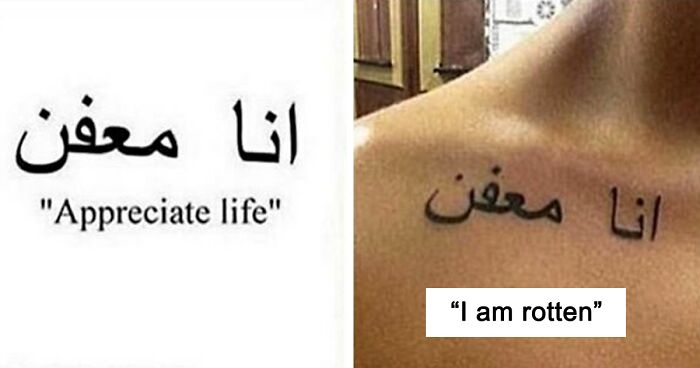
It says "great warrior" in chinese

Language point system for the hexcrawl because I want to make everything more difficult. I hate my players, and I want them to suffer: 

  • Languages are learned like skills. Interactions and uses allow the PC to attempt to improve their language rolls up to 10, at which point they will be considered fluent in most languages.
  • A language roll may be attempted to understand another language with greater accuracy than what your skill already provides, but a failure can still provide information if your language level is high enough.
  • If the language is directly or semi related to a language you know well (basically 10), you will have the new language at a skill of int/2 to begin with.
  • Different language levels provide different levels of understanding:
    • 10: Fluency + understanding of related languages
    • 7: Understanding of spoken word, difficulty clarifying writing and reading
    • 4: 2 or more interpretations of spoken word, only understanding certain words of reading and writing
    • 1: Completely illiterate, you only understand a handful of words. Maybe.
  • If your native language has no writing system, your ability to understand reading and writing is "one tier down".

Saturday, May 28, 2022

1000 ways to be crippled by life

Exhaustion: -4 to all rolls until sleep. Every extra point of exhaustion cumulatively decreases con by 1. Every night of normal sleep restores 1 con.

Dehydration: -4 to all rolls until drinking. After 2 day of not drinking, roll con saves every day against death.

Starvation: After [con] days of not eating, -4 to all rolls until your first substantial meal. After [con]x2 days of not eating, 10 minute rests no longer provide healing. After [con]x3 days of not eating, physical stats drop to 1. After [con]x4 days of not eating, con save every day against death.

Blindness and partial blindness are usually caused by darkness, but can also be caused by excess light. Some examples of partial blindness conditions: 

  • You observe the region just beyond your 30 feet of torchlight 
  • Your only source of light is a candle 
  • Moonlit nights 
  • Large amounts of shadows 
  • Snowblinding 
  • Looking directly into water on a bright day 
  • Heavy weather

Partial Blindness: You can see general shapes but only very low levels of detail. Attacking things is hard (-2) and you can’t really make out what you’re even looking at. Time is less of an issue though, detail can still be mostly seen if up very close.

Blindness: Can’t see shit. You get basically no descriptions of a room you crawl through besides the dimensions, sounds, smells, and large objects. 10 minutes of searching gives you the same information you would have initially gotten with vision. Another 10 minutes would be required to learn anything more. Everything takes more time. (-4 to hit if you can sense the creature without sight, almost impossible to attack without information).

Paralysis: Every attack against you hits and crits. Voluntary movement impossible.


Drunk: Increases crit fumble range by 1 for every drink.

Cannibalism: Every time you partake in cannibalism, roll a con save. Once you fail, your body will begin the process of ghoulification. Normal food turns to ash in your mouth; only meat sates the hunger, and only human meat sates it for any significant length of time. 

  • Every day without human meat requires a cha save to prevent pursuing the consumption of human meat. Every day without consuming human meat adds a -1 penalty to the save.
  • Completing the process of ghoulification requires a steady diet of humans over about a month.
  • Exact conditions have not been decided but would be: increased strength, eventual undeath, paralytic claws, ravenous hunger, darkvision, ability to climb walls and ceilings

Awakening: Stay awake for 3-4 weeks and you will Awaken. The PC becomes an NPC unless the player (and the group) consents to acting out explicitly and completely psychotic behaviors.

Friday, March 11, 2022

Barbarian Home Depot

Before the PCs set out for their field trip, they will be allowed to stock up on any amount of the supplies listed below before they set out. Once they do set out, they will need to find more supplies and resources the traditional way.

Inventory: str+(bag you carry)

Refresher on weapons: 

  • 1d6 damage 
  • 1d8 if you two handed and str is 7+ 
  • Two handed weapons take up 2 inventory slots
  • Even if a weapon does not explicitly state a function in its description below, you can probably think of a unique use. For example while there are no inherent mechanics for crushing vs bleeding wounds, I am sure that the type of weapon you choose will make crippling or hemorrhaging easier. Modifying your weapons and options may also produce differences
  • Hirelings taken from your tribe will have 14 inventory slots if given a backpack

Weapons:

  • Stone spear: 25/35/40, versatile
  • Stone dagger: better for tight spaces
  • Boomerang: 40/55/65, returns if you miss, curved flightpath
  • Sharp rock or sharp rock tied to a handle: as handaxe
  • Bow and arrow: 150/210/240, two handed
  • War club/root club, wooden or bone (mammoth): may be one or two handed depending on size
  • Rock sling: 80/110/130, rocks are almost anywhere
  • Spear sling: 50/70/80, damage as two handed
  • Macuahuitl: two handed
  • Dart blower w/ darts: 25/35/40, no damage: depends on poison
  • Femur bone stabbers: easy to make, also can be used as stakes
  • Remorhaz jawbone kukris: can also be used as flesh hooks
  • Ivory harpoon: 30/40/50, barbed, can be tied to a rope
  • Net: 5/-/10, can be used to catch things

Tools and Resources:

  • Stone mallet
    • hammering things
    • 1 slot
  • Stone axe 
    • chopping and carving
    • 1 slot
  • Chisel 
    • useful with a mallet for carving
    • 1 slot
  • Flint rock
    • neolithic striker
    • 1 slot
  • Leather backpack/sacks
    • backpack +7
    • sacks +4
    • no slots
  • Rope/twine/string
    • 30 feet of rope = 1 slot
    • "infinite" ball of twine/string = 1 slot
  • Attachable bone hook
    • can be used with poles, rope, and for any number of applications
    • no slots
  • Poles 
    • of the 10 foot variety and more
    • 1 slot
  • Torches
    • 2 torches = 1 slot
  • Waterskins 
    • can carry three "drinks"/doses
    • 1 slot
  • Grease/lard/oil
  • Fermented or normal milk/Cheese or butter
  • Rations
    • 1 ration = 1 day of eating = 1 slot
    • Mostly dry aged meats
  • Blankets/furs/basic animal skins
    • 1 good blanket/skin = 1 slot
  • Absorbent rags
    • 1 slot
    • If wrapped around a stick and hung above boiling water, can be used to collect distilled drinking water
  • Bag of smoothed/jagged rocks 
    • pebble sized, time consuming to make but can function similar to ball bearings or caltrops
    • 1 slot 
  • Bag of spiders
    • 1 slot
  • Cave/ritual paint
    • 1 slot for a handheld jar
  • Wooden or bone stakes
    • 3 stakes = 1 slot
  • Pipes
    • 1 slot
  • Clay pots
    • Containers and mixing materials
    • slot depends on size
      • 6 inch diameter = 1 slot
      • 1 foot diameter = 3 slots
      • 2 foot diameter = 7 slots
      • can also be used to contain other slot filling items but cannot be carried in backpack this way; only in carts/vehicles
  • Boat
    • canoes
    • small rowboats: 5 people each
    • smaller sized longship: 20-30 people
  • Goats
    • fermented goat milk (alcohol), normal milk
    • pure souls for sacrifice
  • Pine resin/sap
    • Great for sticking things together, or fire starting material
    • 1 slot for a bundle
  • Black smoke leaves
    • When burned produces a thick black smoke that results in partial blindness up to 5 feet away and complete blindness any farther
    • 1 slot of leaves can fill a 30x30 room for 10 minutes
  • Woodland ghillie suit
    • Blending in forested environments
    • 2 slots in a bag
  • Basic animal pheromone glands, dung, or blood
  • Giant or normal sized feathers
    • Commonly found giant feathers go up to 10 feet in length
  • Shedded exo-plates of a Remorhaz
    • Not mirrors, but highly reflective and durable. Interlocking plates provide temperature insulation
    • 1 slot for a 1 foot x 1 foot plate, but they come in many sizes
  • Therapeutic Compounds:
    • 1 slot = 1 bag. For non animal compounds, 3 doses are in each bag. 1 dose for normal effect, 3 doses for extreme effect.
    • Mother's Milk: Found in the bulbs of the flowers brought up by the lowlanders. Induces an extraordinary dreamlike bliss that pulls the smoker into a sleep just precipitating the border of death. Can be diluted in the caverns of the mountain to produce Mother's Kiss, a liquor that sends the mind into the Waking Dream.
      • Opium. Painkiller, causes extremely deep sleep for 1~6 hours.
      • Higher doses slow down the nervous system. Con save to not stop breathing.
      • In diluted liquor form, your mind enters psychotropia for 1~6 hours while you are still awake. Actions and sights may layer over each other. Also acts as an alcohol.
    • Fever Fire: The berries of a nearly translucent plant that can only grow up in the glaciers, where the cold carves flesh like a knife. For a few minutes, the body seizes and burns. Frostbite and rot can be driven back, but it leaves the eater shaken and exhausted. 
      • Drives the body into a powerful fever. Can save you against frostbite and jump starts the immune system. Con save at the end against exhaustion. 2~12 minutes.
      • Higher doses overheat the body and over-activate the immune system. Con save against brain damage and con save against cytokine storming.
    • Shaman Barb: A thorny vine bush found across the Broken Coast. Pricking the skin with Barb calms the nerves and tends to improve amiability. High doses paralyze the body and have been seen to drive some into madness, particularly shamans and their kin.
      • Not a combat drug; would probably reduce initiative and combat rolls. Kind of acts like pot; can be used to reduce stress and improve morale, and is enjoyed during negotiations. 1~6 hours.
      • Higher doses can act as a neurotoxin. Con save against full body paralysis. At ridiculous doses, wis/cha save against schizophrenia. If predisposed, schizophrenia is possible at high dose levels and offers no save at ridiculous doses.
    • Salja: Made from the grounded hairy roots of tundra grass the grow near the Cloud Maker. The paste is grey and bitter. But, for a few minutes after eating, other things become addictive. The taste of other foods is easiest, then base sensations, and even behaviors.
      • If unwilling, make a wis/cha save against developing addictions. High doses have basically no effect, but chronic and coordinated doses can strengthen the addiction.
    • Tongue-Globber Toad in a Bag: Those who lick the toad will experience frightful swelling and great bouts of energy and strength. Unfortunately, they will also be rendered dumb and become completely unintelligible as their tongue swells up in the mouth.
      • Your body swells with extra blood and your sympathetic nervous system roars into motion. Your tongue swells up, and so does your brain. +4 to physical rolls, -4 to mental rolls. You become incredibly drawn to bright colors and amphibians. 30 min~1 hour.
      • Higher doses can be dangerous. Con save against hematoma. Con save against heart attack. Con save against shock. 
    • Blood Belly Viper in a Bag: A single bite is all it takes. The fangs are small and the teeth barely nick the skin, but it is enough. You will notice after a day or two; the wound does not heal. The blood trickles slowly over the days, then over weeks. Only the strongest survive the harrowing month, and are left crawling with skin tight hands at the maw of Mother Mountain.
      • Long lasting anticoagulant. Con save against effects. Wounds will not heal normally and blood will not stop flowing out. Your blood smells noxiously and obscenely sweet to everything within a mile. Lasts 1 month.
      • Higher doses will probably cause necrosis and breakdown of organs.
These are the poisons accessible to the Highlands which are setting specific, but are not necessarily the most obvious to use in general. If you are curious and think about other potential poisons to use (either to be fed to someone or covered on your blade), I'm sure you could come up with something.

Saturday, March 5, 2022

Classless Magic

I removed all the "casting classes" from my game. Wizards, clerics, sorcerers, and warlocks do not exist in the class format; instead, I wanted to make their traits universally accessible.

I like the idea of anyone being able to pick up a spellbook and, with time, learning a spell. Wizardry is learning and casting spells; entrapping/scribing/negotiating a spirit into your brain to cast a spell. It's something anyone can learn. "Wizards" are magical junkies that do it all the time.


Clerics don't exist as a term. Religious "casting" is replaced with miracles; divine intervention. You want something from your god? Pray and sacrifice.


Those with high charisma manifest their destiny in the flesh; the powers they gain are an extension of themselves, as much as your own limbs and your brain. "Sorcerers" don't need magic die, they just get abilities. Those who believe themselves to be children of dragons grow scales and claws. A mighty and arrogant warlord will find his skin truly impervious to iron. It is belief, not objective history and reality, that shapes the body of a "sorcerer".


Warlocks are just a term; they make deals for power, no matter the kind. You can ask for spells, strength, money. Plenty of wizards are also probably warlocks.


Vessels act as conduits for spirits and other non fleshed beings of power; gods, demons, elementals, etc... Word Bearers speak with the Voice of the Authority. The thrall of Davok in my Lair of the Lamb run can ignite flammable material on touch (including their on flesh, which they can burn at -1HP per 10 minutes/dungeon turn).


More things exist; practically, the only "categories" of magic that matter are wizardry spells, miracles, and everything else. All of these can intersect and overlap. Any PC that wants to use "magic" can have a number of options; it offers an extremely high amount of variation and "customizability". 

For context I run my games using the GLOG ruleset, which includes the use of magic die. Like I mentioned in my post on spell psychosis; MD is mostly based on the number of spells you know. This is why any PC can learn wizardry independently from their templates or levels. A magic system with spells slots is less intuitively detached from class levels.
  • 1 spell = +1 MD and int
  • 3 spells = +2 MD and int
  • 6 spells = +3 MD and int
  • 10 spells = +4 MD and int
Basically every time you gain another MD and int, you will need to learn a larger number (+1 stacking) of spells to gain more MD. There is no upper limit on this besides going crazy from spell psychosis and getting murdered by a paladin.

I should also mention that all PCs can "smell" magic. The kind of magic can also be guessed at based on the type of smell. For example, a lightning trap smelled of strong ozone, while anything undead smells of sulfur (you are actually smelling the presence of the soul that was dragged up from hell into the corpse). A little something that I picked up from Matt Colville.


This functions as a way for PCs to detect the presence of relevant spells/enchantments and know if an item is magical. Gameplay shouldn't be hamstrung by lack of access to spells, and it gives another way for PCs to gain more information and be clever about their choices.

Thursday, March 3, 2022

Bad Idea Shitpost: Psychosurgery

The idea of translating pharmacology and other medical tidbits into the game keeps gestating in my brain. Another idea that I am rather fond of is psychosurgery.

I had originally started thinking about this while learning about neuroanatomy and the strange types of behavioral symptoms you would get after lesions in the brain or "ectomy" type surgeries. A classic is cutting the corpus callosum that bridges the two halves of the brain, keeping them both functional but limiting their ability to communicate. To a degree, it seems like both halves of the brain retain the ability to think (independently?) but information from one half has a hard time communicating to the conscious mind (one half of your brain has information you as a whole are not aware of).

While I was thinking about barbarian tribes, I thought about a concept where tribe members, as a coming of age exercise, would take a razor sharp "knife blade" of obsidian and slowly hammer it into the skull of the tribe member, right down the middle of the head. The problem is that I was never sure what exactly that would translate to in terms of gameable stuff. Split brain? Disrupted pineal gland resulting in less sleep? Going with a more abstract theme of "gaining insight"? I think having the procedure making the person immune to "blinding" effects might be interesting. Can't see illusions, can't be affected by perception altering things, can't be mindwiped? Who knows, there were enough tribes anyways

That idea was also inspired by a story by one of my Adv. Neurobiology professors. One day a man walks into the emergency room, followed by his brother who is apologizing profusely. Nothing seems wrong; there are no obvious behavioral or psychological symptoms. The problem is that the man actually has a knife embedded in his head. Punctured the right side of his temple and the tip was sticking out the other side. He ended up being fine in the end.

Psychosurgery in this setting (Centerra based, using concepts like wizard vision and spells living in the brain), or any fantasy setting, could be quite interesting. Profane Ape did a post relating to how enchanters can change the mind. Very cool. But I also like the idea of kidnapping someone and fiddling with their brain to do some wicked CIA shit. That was originally the inspiration I used for an order of paladins known as the Black Hand.

The concepts in the blogpost above use "gates", and are generally more abstract. These can probably be used as they are and imported as procedures, but the types of psychosurgery I want to try and implement  are as follows:

  • reading "personality"
  • toggling wizard vision
  • entering psychotropia at will
  • telepathy organs (other people with organs are "linked")
  • implant/remove spells (basically just carving out that piece of brain or putting one in)
  • reading a wizard's spells without killing them
  • psychotropic ego retention
  • telepathic inception (dive into the dreams of others you have a "link" with)
  • reading memories (psychomotor memory and emotional memories easiest, descriptive/information based memories much harder)
  • cure/implant phobia
  • psychotropic memory retention
  • selective memory triage
  • telepathic syncope (you can instantly make unconscious anyone you have a link to)
  • personality implantation
  • cure/implant paranoia
  • psychotropic lucidity
  • telepathic psychotropic syncope (instantly send the linked into psychotropia)
  • memory implantation
  • cure/implant hallucinations
  • telepathic blindspot (like a false hydra)
These were all made when I was doing my initial designs for the Black Hand. There was a lot of focus on gaining usable behavioral information, gangstalking paranoia, psychotropia, and telepathic links. You don't necessarily need to kill your enemies, you just need to kidnap, gaslight, brainwash, and fundamentally change who they are so that they end up serving your needs without them knowing you exist.


But outside a certain theme of procedures, there's a lot more you could do with this. Things that immediately come to my head are purely neurological phenomena: phantom limbs, personality disorders, implanting (or curing) certain mental illness, removing the ability to fear or recognize fear, remove the ability to feel pain, implanting amnesia, etc... There are probably things with more of a D&D twist to do but I cannot think of them right now; I find that writing about things I know more detail about tends to make them much more literal.

I did make a "magical" item which is actually just a syringe you poke into someone's skull to suck out some of their higher order souls, but besides that (and possibly the dEr0 conspiracy) most of what you could do with this idea feels "less magical". Which is fine. A lot of these procedures are simply impossible with surgery alone, but this is weird fantasy surgery. Honestly I like the idea of it much better when it's just some dude cutting apart your brain.

You could also prompt certain behaviors with triggers/implant strong behavioral circuits. Give someone a "high addiction risk" personality, link that reward pathway to a certain behavior and stimulus, and just wait. People will do insane things for addictions in real life. After speaking the trigger word, Cha save to resist the overpowering urge to slaughter your friends (if you fail you try to kill them and feel orgasmic while doing so). 

Combine some of these concepts with pharmacology and who have something interesting cooking. Maybe a class? or maybe just a large number of weird and hopefully gameable interactions.


It also occurs to me while writing this that you could also use this for NPCs or enemies. While it seems interesting on paper I'm unsure whether it would be fun or useful. Giving PCs the ability to brainwash and manipulate the NPCs in your worlds can be very fun for them, but doing so the other way around might not be particularly fun. Especially if they are unaware; I doubt you can do anything very complex like implanting "kill triggers" for the PCs. This will vary by group and play content but screwing over the PCs without them knowing using these ideas is probably a bad idea.

On the other idea, a paladin suddenly popping into existence near the PCs and talking to them like he has known them for years is pretty interesting. "Yeah, you guys seemed real suspicious for a while there but you've all been cleared. Have a nice day." Of all the ideas from above to use on the PCs, a "ghost in the campaign" is the most entertaining to me. But, like a false hydra type campaign, you could do something more elaborate if you have cooperative players. 

I think one thing that could possibly be fun is if the PCs refused to learn/listen to certain things because they knew that their memories could be read, or took obsessive steps to make sure none of them was alone/asleep to prevent procedures from taking place.
  • The paladin following the PCs cannot easily enter a private area because he won't be blinded to people he has not specifically given the right procedure for
  • To do procedures, the paladin needs to anesthetize and work on the "patient" for a lengthy amount of time
  • Procedures can only be done once a month and need that time to heal. The might also leave scars/markings of performance
Those three conditions actually can give you a lot of leeway for how the PCs might handle something like this. Babbling to random strangers about watching out for a person they don't know how to describe, refusing to be alone or isolated, checking people's skulls to see if they have any markings of psychosurgery.


One last thing: Psychosurgery for non humans. I think it would be fun to be able to learn and carry over things from one organism to another with study time. Like how some birds (or people in this setting) can sense magnetic north. Or, giving your PCs proximity trackers in each others heads. Now when they split up, the will know exactly when the others die. 

What happens if you stuff a piece of dragon brain into someone's head? For the sake of this entire post, antibody mediated rejection does not exist. Or maybe it does, and learning how to overcome the major histocompatibility complex is a specialized form of wizardry or medical-fantastic technique. 

Thursday, February 24, 2022

Bad Idea Shitpost: D&D Pharmacology

All these bad idea shitposts will be meant to poke at the border between painful "realism" and practically usable rules and ideas that make the game more fun. Even if 99% will never ever practically work, I think it might be fun just to think about some of the ideas we can strip mine. Most characters are not assumed to have some kind of chronic disease, but drugs are not only used by people who are sick.

Today's topic is: pharmacology! Originally the idea was based around potions, but the principles here are a bit more expansive. I'll lay down some of the basic ideas I think can be interesting:

  • Delivery methods
  • Side effects/long term effects
  • Dosing and alternative uses 
  • Mechanism of Action
  • Source: biochemical tools, alchemy, natural occurrence

Delivery methods feels like it can be fun, but I have no idea what it would look like exactly. You drink potions. BORING. Oral ingestion is (usually) a slower, long drawn release of drug effects that is affected by stomach acid and the liver it has to cross through. 

Snorting is a bit better, so is rubbing powder on mucus membranes. INJECTIONS are pretty cool. Your fighter popped a healing potion? Ok well mine just pinned himself with adrenaline and is getting ready to eat your fighter's face off. Into the veins and arteries is standard. Maybe a regenerative solution ingested will provide slow, stable healing over a few days while an injected solution will let you reattach limbs on the fly for less fluid. Roll for cancer though.

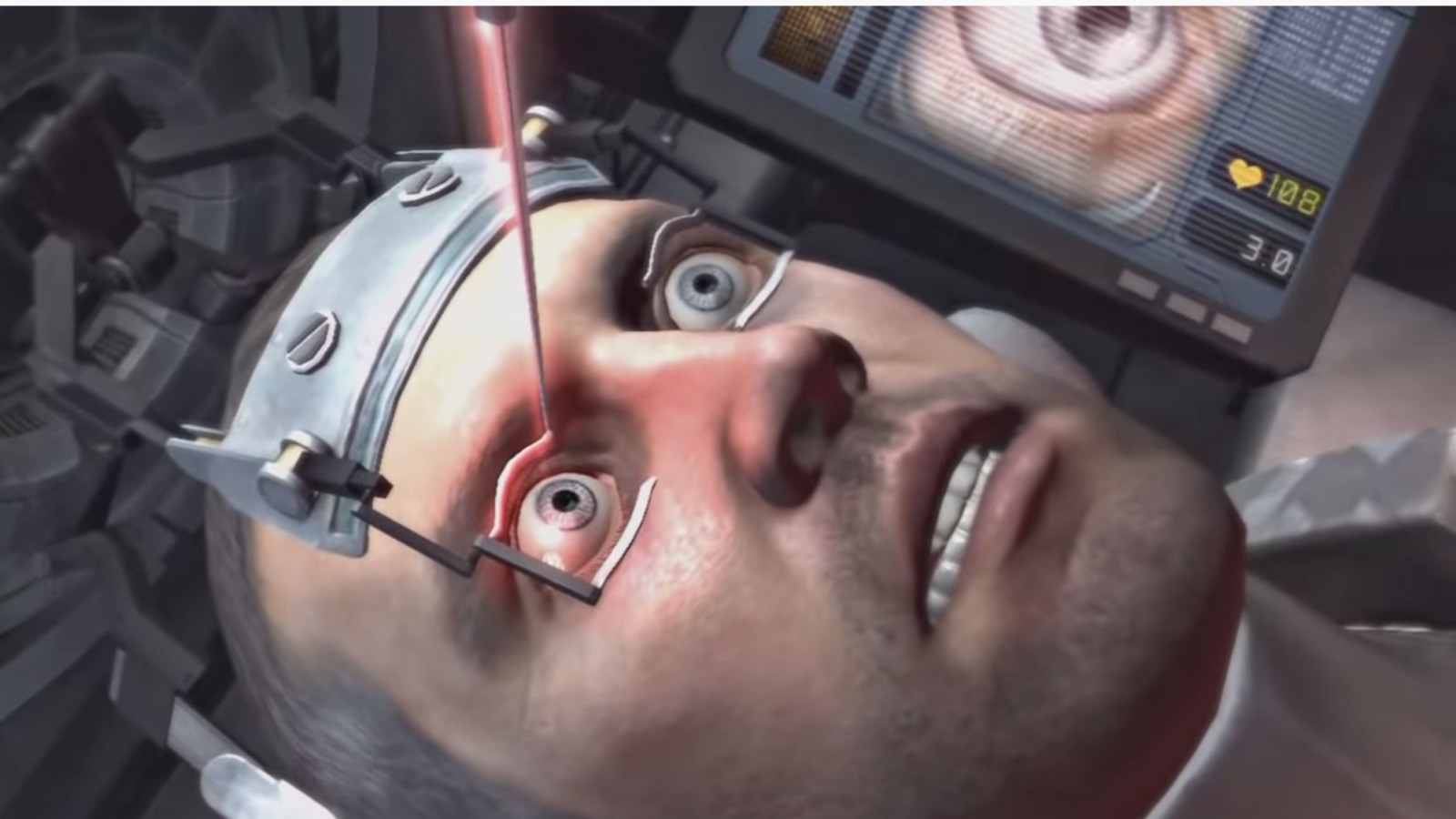
Brain and spine injections feel like they can go far. A lot of delivery methods are also related to where the destination needs to be. Potion of truesight delivered right into the eyeball? Or maybe give someone some MPTP, and watch them develop Parkinson's disease right before your very eyes.

Potential way to use this: 

Drinking a health potion should give you a long riding, general improvement to healing. For one week, you recover from lethal damage twice as fast and add +4 to con rolls. Maybe even throw in something like "add +2 (or roll 1d4) as a bonus every time you recover HP"

Intravenous Injection of half a health potion lets you recover 2d6 HP or bypass a con save/roll. Only doable once per day before you roll % for liver toxicity or cancer development (-1 max HP every month until death for simplicity). Severed body parts can be mostly reattached within 24 hours if held in place. 1 HP regen every round?

Site specific injection might be more useful through a narrative lense, existing as a tool that isn't necessarily bound by strict rules. It might also work better for something that is not a health potion. For example, you have a potion that boosts the abilities of wizards. Chug it in combat for a quick and dirty buff, sure. OR, you could lay the wizard down on an operating table and inject the potion directly into a brain ventricle or his lumbar spine. After a week or so, the wizard gains a more minor but permanent buff.

The main takeaway is that potions or exogenous compounds shouldn't only have one method of use; HOW PCs make us of these tools can have differing effects. And, if you wanted to make healing harder but didn't want to remove health potions entirely, make them more "challenging" to use.

And you don't absolutely need fancy modern syringes either. The first "syringe" was made using a quill and an animal's bladder (no promises about quality though; 1% chance of infection when you inject if you want to be cruel, or have it be on an X in 20 chance if you don't take 10 minutes to clean the syringe beforehand).


Side effects is just shorthand for tradeoffs. The real gameable principle is that anytime your PCs may wish to use drugs for their benefit, they will have to weigh the side effects. Nausea for 1d6 rounds, falling asleep, unstoppable bleeding, momentary amnesia, dyskinesia, trouble sleeping, tremors, need to eat more, need to drink more water, blood clotting, etc... Many of these side effects can easily be repurposed into things that affect the game: resting ability, dex rolls, no memory can be interesting RP, blood loss, risk of heart attack.

Another avenue to consider is long term side effects. This may be difficult to actually model. While I am sure you could generate a system where every [length of time] you need to make a con roll that gets progressively harder with the amount of drug used, it is hard to say if your campaigns ever last that long in in game time for your characters to feel their nuts shrinking from taking too much exogenous testosterone.


A digression: any character good with pharmacology for buffs and healing will also probably be quite good at killing and poisons.

All poisons are just drugs that are dosed to kill. I am sure you can figure out how rampant cell division and growth in a "health potion" might be used to kill someone. For that matter, you might also realize that a drug that provides growth might also be useful as a PED. (IRL, many tumors in men respond strongly to testosterone, due to its effects on growth; how much does your fighter want that +1 strength?).

A drug or plant that decreases water retention might not be all that useful if none of your PCs have a disease that requires a diuretic, but give enough of it to a scumbag enemy and they may just pee themselves into dehydration and death.

Or I guess you could just get the duke's daughter addicted to opiates or something to destabilize the war effort. Really, the sky's the limit here.

As it turns out, the most useful thing about pharmacology might not healing others or your PCs, but killing all of the PC's enemies.

PEDs and "steroid" type drugs may be interesting, but might only be worth thinking about if you can keep them short term. Combat drugs with downsides is easy. Long term use of steroids in a fighter looks like... I have no clue! Trenbolone is a very funny androgen; IRL it can be used to gain quite a lot of muscle while losing fat and being in ridiculously low body fat %. Apparently it also makes you ridiculously horny, paranoid, and a mess to be around. I feel like this can be used, but HOW?


Wizard nootropics is also an interesting topic; take this pill to ramp up your magic dice or spell slots, when you come down you have a risk of getting schizophrenia or spell psychosis.

An older idea I once had: Wizards learn too many spells and begin to slide into spell psychosis. Some of these wizards take a drug/herb/thing that prevents their spell psychosis. BUT, it also limits their ability to cast spells in general and comes with a number of basically int decreasing effects. If you can't really access a big part of your brain, you might get brain fog. Right before battle (or anything that involves a lot of spells), they wean themselves off the drug and hope that they're not so crazy by the end of all this that they fuck off and forget to take their meds.


I suppose you could create an entire pharmacology "class" or profession out of this. There is so much potential information in here that you could really go hard. Healer classes where you cast a handful of protection spells are boring. But a bootleg fantasy medic might be neat. If you have a gritty setting with low access to magic, someone who knows how to administer stem cell injections, dose drug effects, do basic surgeries, and make poisons becomes extremely valuable (and I think versatile).

But personally I think things like this should be accessible to all players. How it manifests needs some work.


A very important concept in pharmacology is Mechanism of Action (MoA). The precise mechanism of how a drug works can open up different ways for you to use them. 

A real life example: blood pressure medication. Some are ACE inhibitors, which prevent the creation of angiotensin, the molecule that signals for vasoconstriction. Sildenafil (viagra) inhibits PDE5 which increases cGMP, which promotes vasodilation. Nitroglycerin (a nitrate) also increases cGMP through a different mechanism. 

They both can have similar effects, but the exact symptoms and side effects can be different. Furthermore, they can compound on each other; if someone is having chest pain and high blood pressure during an EMT call, one of the treatment options is the patient's nitroglycerin. BUT, you ALWAYS have to ask if the patient has taken any sexual enhancement drugs, because the combination will vasodilate the patient too much and KILL THEM.

If you want to, you can also design fun drug combination effects. The main point of using MoA is that you may be able to create a "health potion" in at least a handful of different ways. 

Does the potion only accelerate natural healing and body functions? Effects: Cancer/"curse"/degenerative disease acceleration, rapid aging. 

Does the potion use stem cells to generate and populate the wound with new cells? Effects: developing cancer risk, may only work for some injuries and not others (for example, new neurons in the brain does not necessarily do anything without the same connections). Or maybe they do and you give your spellcaster a big fat brain, maybe you can use it to slowly regrow a limb!

Does the potion actually just encourage the release of body growth factors? Maybe you can use it as a "steroid" for your fighter.

Is the potion actually just a blended troll? Better be careful not to infect yourself with micro trolls.

Or maybe the potion is time fluid secreted by gigantic fate weaver spiders. Drink too much and you might accidentally reverse your memory and your body.

As you can see, MoA can integrate fantasy fairly well. These lines of thought can be really interesting for thinking about biomancy.


Drugs do not come from all the same places either. Some can be created in a lab with basic materials, others can be synthesized from plants, and others can be harvested from complex organisms. 

It is possible to integrate alchemical potions and drugs. You might fit it into a class or just have it as something PCs can do if they find an alchemist's notebook and get the right materials. But the more interesting option might be how you use gathering of biologically sourced compounds, specifically from monsters and other creatures.

The king has a quest for you: bring him the fresh penis bone of a Great Red Drake to be boiled into a fertility bone broth. As thanks, he will let you take some with you so that you too may enjoy a prodigious sexual enhancement stew, aphrodisiac, and fertility therapy.

There's room to fit in some pseudoscience/folk medicine/homeopathy stuff in here as well. What is dragon adrenochrome like? Maybe eating the heart of great beast actually does make you stronger. Or at least, it increases your charisma by 1, making you just a bit more "real" in the world.

Another example I need to get out of my head: there is a hormone known as HCG that is created by pregnant women involved in cell growth. This chemical has also been used in real life as an anabolic steroid adjunct. Here's the thing: before people learned how to harvest the hormone itself, the only way to really get HCG is in the urine of pregnant women.

How do we use this information? I'm not sure encouraging PCs to drink pregnant monster piss for stat bonuses is something you would necessarily want in your game, and harvesting the trophoblast cells around the early embryo has some "off putting" implications. But the actual implementation of these things, if you wanted to use them, doesn't seem too hard.


One last one, I promise. If you like putting a dash of sci fi into your setting, you may enjoy investigating beyond traditional ideas of drugs. 

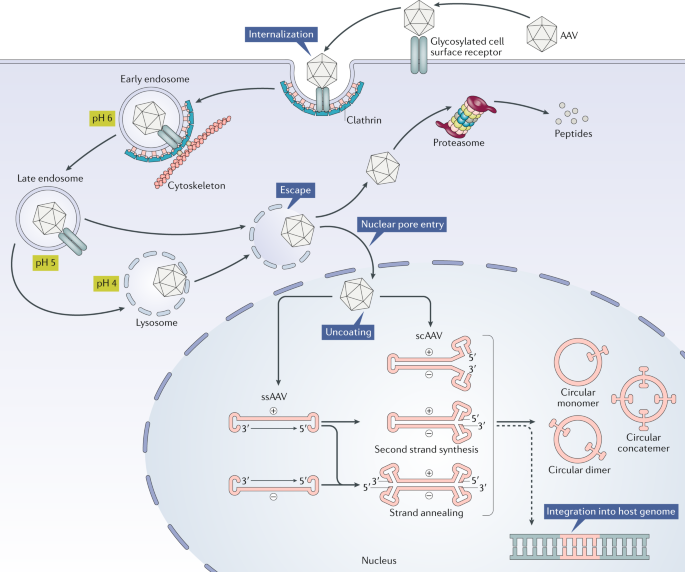
The most notorious of the up and coming potentials is gene therapy. Specifically, gene therapy using viral vectors to deliver the cargo into the cells you attempt to treat. Current methods of injection make delivery one of the core limitations. If you wanted to target the brain, there is really no other option than to directly inject into a ventricle, the spinal cord, or directly into brain matter.

But for D&D we do not need to be held back by such things. That thing about injecting a wizard for a permanent buff? Gene therapy. Your family curse? Gene "therapy". Elixir of youth? Gene therapy.  

Beyond the merely biological you can get some neat ideas out of concept of "integrated biology": a rampant DNA code that tries to mimic whatever it eats, or maybe whatever it touches. Liches that control all their bodily functions, and use this to slowly turn themselves into things that are unrecognizable from their humanity.

The "dude" virus: A man feels feverish one day, goes about his business, collapses over, and dies. Over the next day or so his body breaks down into viral sludge and attempts to infect as many people as possible. The infected are slowly turned into clones of the first man who died, perhaps with memories limited to the day of infection. After maybe a week of assimilation the infected dies and sludgifies again. 

After a few cycles, you get mutations in the viral strains. The "dude" changes a bit over time. Or, you have someone who acts as a carrier. Either as a "dude" who never reaches the sludge phase, or as a normal person who turns everyone else into "dudes" upon contact.

Some of these viruses are designed to be "cre dependent", which basically means that they have specific effects when a particular compound is ingested and then "activates" the programmed gene sequence. Practically speaking this just adds trigger conditions. 

None of these ideas actually need to integrate any of the concepts I mentioned. It's entirely possible to have each thing as a standalone phenomena in your setting and having it completely untouched by these shitpost frameworks; the hope is that by introducing some of these framework concepts, it might help to jog a different perspective for creative juices.